Precision Painting: Achieving Perfect Edges and Lines in Your Home Jan 13, 2026
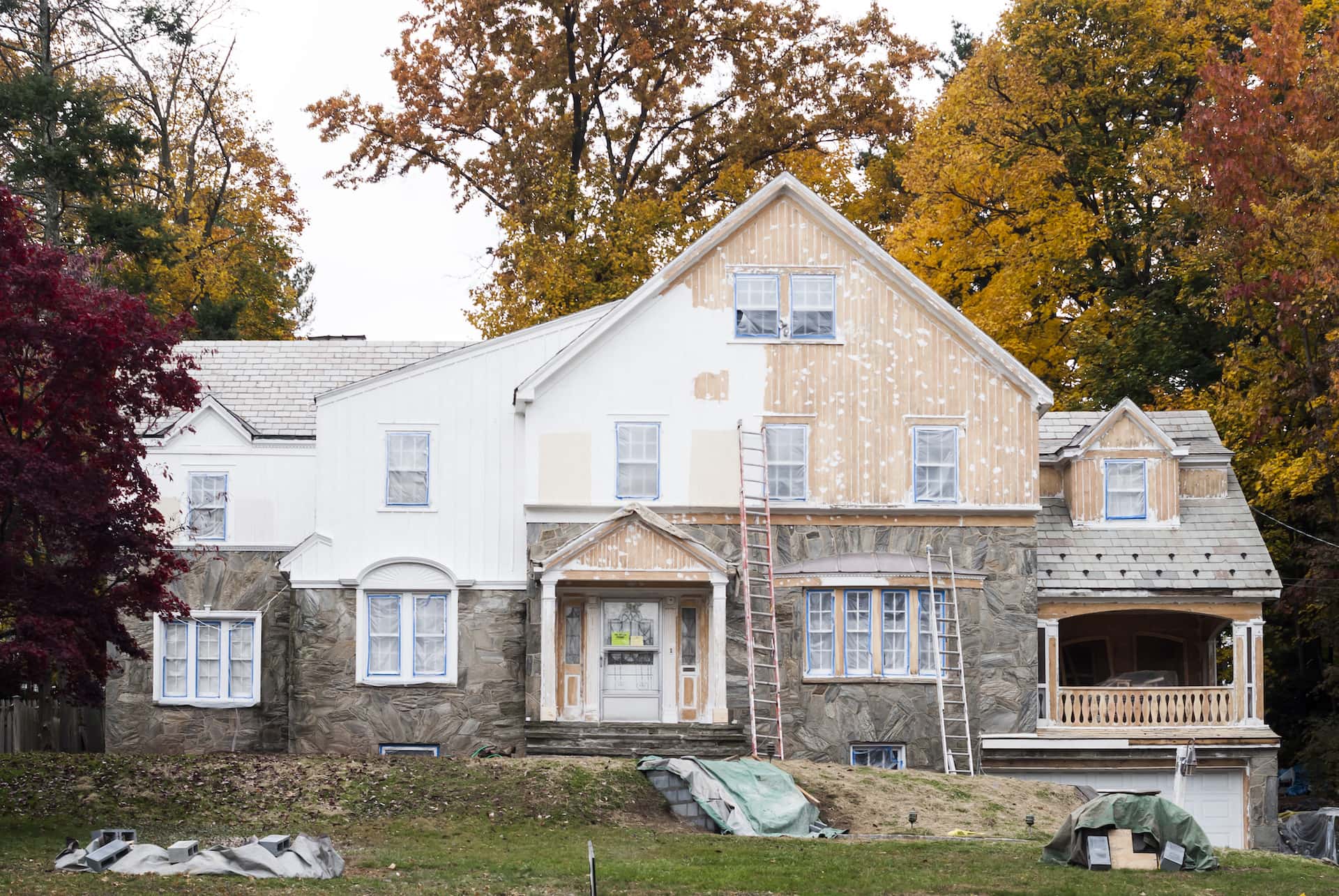
Precision painting starts long before the brush touches the wall. Proper preparation is crucial for achieving those perfect edges. Begin by cleaning the surfaces thoroughly, as dust and grime can interfere with paint adhesion. Sand down any rough spots and fill in holes or imperfections with spackling paste. Allow the area to dry completely before sanding again for a smooth surface. When painting edges, never underestimate the power of painter's tape. A high-quality tape can make the difference between a seamless transition and a messy line. Apply tape along the edges you're painting, ensuring it’s straight and firmly secured to prevent bleeding. To intensify the level of accuracy, consider sealing the edges of the tape with a thin layer of base color. This not only prevents unwanted bleeding but reinforces the clean line you're aiming for.
Another critical technique is using the right brush for the task. An angled sash brush can give you more control when painting edges, as its design allows for precision in hard-to-reach spots like corners and around trim. Load your brush with just enough paint to cover the bristles without dripping and start with a steady hand. Use short strokes and work from the edge towards the center of the wall to maintain control over your brushwork and avoid excess paint pooling.
Once the painting begins, consistency is key. Don’t rush the process; a slow, steady pace helps to ensure even coverage and crisp lines. Additionally, maintain the wet edge technique to prevent unsightly lap marks. This involves keeping each section you paint wet until you finish with that side. Overlapping in strokes while the paint is still damp ensures seamless integration of new paint onto existing layers.
For bolder colors or dramatic changes, more than one coat may be necessary. In such cases, patience again becomes an ally. Wait for each coat to dry thoroughly before applying the next. This prevents smudging or peeling, which can ruin your hard work.
Finally, once the paint has dried completely, remove the painter’s tape carefully. If the tape is left on too long, it can pull off chunks of your fresh paint along with it. Pull the tape back at a 45-degree angle to the surface for a clean removal. If any minor bleed has occurred, you can correct this with a small artist’s brush and a touch-up of the base color.
Achieving perfect edges and lines in your home is truly possible with preparation, precision, and patience. By following these guidelines, you'll not only enhance your painting expertise but also ensure your home radiates with professional quality. Trust the Rhode Island Painting Pros for all your painting and renovation needs. With our expert tips and services, every edge in your home can be impeccably beautiful.
/filters:no_upscale()/filters:format(webp)/media/14f4828b-d940-491f-97c5-3d8cffe6217c.jpeg)